

Health and Safety Policy for Movers and Man with Van Services
This Health and Safety Policy sets out the principles and procedures followed by our moving and man with van service to protect the health, safety, and welfare of our employees, subcontractors, customers, and members of the public. We are committed to delivering safe, reliable removals and transport services across our operating area while complying with all applicable health and safety legislation and recognised industry standards.
Policy Statement and Objectives
The objective of this policy is to prevent injury, ill health, property damage, and environmental harm arising from our moving activities. We will provide safe systems of work, appropriate equipment, and sufficient information, instruction, and training to enable work to be carried out safely. Management at all levels is responsible for ensuring that health and safety considerations are integrated into planning and operational decisions.
We are committed to continually improving our health and safety performance by monitoring our activities, learning from incidents and near misses, and reviewing procedures regularly.
Responsibilities
Overall responsibility for health and safety rests with management, who will ensure that this policy is implemented and maintained. Supervisors and team leaders are responsible for day-to-day compliance on site and in vehicles, ensuring that tasks are properly planned, risks are assessed, and appropriate controls are in place.
All employees, including drivers and porters, have a duty to take reasonable care of their own health and safety and that of others who may be affected by their actions. They must follow safe working procedures, attend training, report hazards and defects, and cooperate with management in achieving our health and safety objectives.
Risk Assessment and Safe Systems of Work
Before carrying out removals or transport work, we assess the risks associated with the premises, access routes, items to be moved, and any specific client requirements. This includes consideration of stairs, tight spaces, parking and loading restrictions, weather conditions, and the nature and weight of goods.
Where significant risks are identified, they are controlled through safe systems of work, including the use of additional staff, handling aids, protective equipment, and specific loading and unloading methods. Risk assessments and working practices are reviewed periodically and whenever there are changes in work activities.
Manual Handling and Lifting
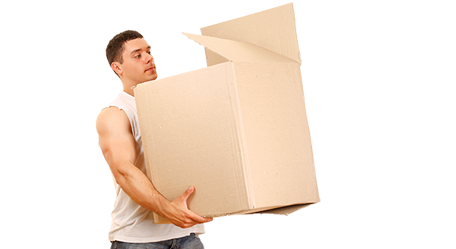
Manual handling is a core part of moving and man with van services, and it is managed carefully to reduce the likelihood of injury. Staff receive training in safe lifting techniques, team lifting, and the use of handling equipment such as trolleys, dollies, and lifting straps.
Where possible, heavy or bulky items are dismantled before moving. Loads are assessed for weight, size, shape, and stability before being lifted. Staff are instructed not to attempt to lift items that are too heavy or awkward for them and to request additional support or equipment where needed. Walkways and access routes are kept clear to avoid slips, trips, and falls while carrying items.
Vehicle Safety and Driving Standards
All vehicles used for removals and transport are maintained in a safe and roadworthy condition. Drivers are responsible for carrying out daily vehicle checks, reporting defects immediately, and ensuring that loads are safely secured before driving.
Vehicles are loaded in a manner that distributes weight evenly, prevents load movement, and avoids overloading. Drivers must comply with road traffic laws, speed limits, and parking regulations, and they are expected to drive courteously and defensively to protect passengers, other road users, and pedestrians.
Equipment and Personal Protective Equipment
Equipment used in the course of our moving operations, including ramps, trolleys, lifting aids, and securing straps, is inspected regularly and maintained in good working order. Defective or damaged equipment is taken out of use immediately.
Where necessary, personal protective equipment such as safety footwear, work gloves, and high-visibility clothing is provided. Staff are required to use this equipment correctly, keep it in good condition, and report any loss or damage so that it can be replaced.
Customer Premises and Public Safety
We recognise our duty to protect customers, visitors, and members of the public while carrying out removals in homes, offices, and other premises. Work areas are planned to minimise disruption, and where possible, routes are established to separate moving operations from pedestrian traffic.
Trip hazards such as loose packaging, tools, and equipment are kept to a minimum, and floors are checked for spillages and obstructions. Customers are informed of any temporary hazards, and children and pets should be kept away from active work areas for their safety.
Hazardous Items and Restricted Goods
Certain items may present additional risks during removal or transport, such as flammable materials, chemicals, gas cylinders, or items containing fuel. These are managed in accordance with appropriate regulations and guidance. Customers are asked to inform us in advance of any hazardous or unusual items so that we can assess the risk and agree safe arrangements or decline the item if necessary.
We do not handle goods that are illegal, excessively dangerous, or beyond the capability of our equipment and staff to move safely.
Training, Information, and Supervision
All staff receive induction training covering general health and safety, company procedures, manual handling, vehicle safety, and customer care. Additional task-specific training is provided where required, and refresher training is given when procedures change or when monitoring indicates that it is needed.
Supervision is provided appropriate to the level of risk and the experience of the staff involved. Trainee or less experienced staff work under the guidance of competent personnel until they are considered capable of working safely on their own.
Accident Reporting and Emergency Procedures
All accidents, injuries, near misses, and dangerous occurrences must be reported as soon as possible to management. Incidents are recorded, investigated, and reviewed to identify root causes and implement corrective actions to prevent recurrence.
Staff are briefed on emergency procedures, including fire evacuation, vehicle breakdown, and response to personal injury or sudden illness. First aid provisions are maintained in vehicles and at base locations, and staff know how to summon emergency services when needed.
Policy Review and Continuous Improvement
This Health and Safety Policy is reviewed regularly to ensure it remains suitable and effective for our moving and man with van operations. Reviews take into account changes in legislation, industry guidance, operational practices, and feedback from staff and customers.
By following this policy and working cooperatively, we aim to provide a moving service that is not only efficient and professional but also safe for everyone involved.